







Luftrening inom livsmedelsproduktion: förbättrad livsmedelssäkerhet och kvalitet
Livsmedelssäkerhet: högsta prioritet inom livsmedels- och dryckesproduktion
Livsmedelssäkerhet är fortsatt högsta prioritet inom livsmedels- och dryckesindustrin. Nyligen uppmärksammade utbrott av matburna sjukdomar har visat på de allvarliga konsekvenserna av bristande hygienrutiner, inklusive produktåterkallelser, skadat anseende och risker för folkhälsan. I takt med att patogener fortsätter att hota livsmedelsmiljöer framträder innovativa teknologier för luft- och ytrening som viktiga verktyg för att förbättra livsmedelssäkerheten.
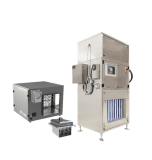
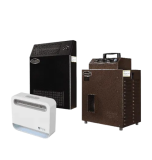
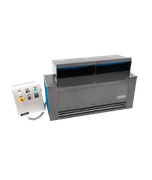
Som en ledare inom luftrening för livsmedelsproduktion erbjuder Pyure avancerade lösningar som är utformade för att förbättra livsmedelssäkerheten genom att aktivt neutralisera luftburna och ytburna föroreningar. Nedan går vi igenom aktuella hygienutmaningar, hur Pyures hydroxylteknik fungerar samt vilka fördelar systemen ger i livsmedels- och dryckesanläggningar.
Aktuella utmaningar inom hygien i livsmedelsproduktion
Att upprätthålla renhet och säkerhet i livsmedelsmiljöer innebär ständiga utmaningar för tillverkare.
Nyligen inträffade listeriautbrott kopplade till bristande hygien i produktionsanläggningar visar behovet av strikta hygienstandarder. Enligt Yale Medicine har otillräcklig sanering av charkprodukter och andra ätfärdiga livsmedel lett till större återkallelser som påverkat både företag och konsumenter.
En av de största riskerna är Listeria monocytogenes, en bakterie som kan överleva länge i produktionsmiljöer. Den trivs i svala och fuktiga förhållanden och kan återkolonisera ytor även efter rengöring. Detta gör den svår att kontrollera för livsmedelssäkerhetsansvariga.
CDC varnar även för att sårbara grupper – såsom gravida, äldre och personer med nedsatt immunförsvar – löper ökad risk för allvarlig sjukdom.
Andra patogener som Salmonella och E. coli kan också trivas i miljöer där fukt och organiskt material förekommer. Traditionell rengöring är viktig men räcker ofta inte för att hantera luftburna partiklar som kan sätta sig på ytor och utrustning.
Innovation inom luft- och ytrening
För att stärka kontamineringskontrollen används allt oftare avancerade system för luft- och ytrening som en del av en bredare livsmedelssäkerhetsstrategi.
Dessa system ger kontinuerligt skydd mot skadliga mikroorganismer och bidrar till renare produktionsmiljöer.
Pyures hydroxylteknik efterliknar solljusets naturliga reningsprocess genom att frigöra hydroxylmolekyler i luften. Dessa bryter kontinuerligt ner:
- Bakterier
- Förstöringsorganismer
- Mögel
- Biofilmer
- Flyktiga organiska föreningar (VOC)
Bevisad prestanda i livsmedelsanläggningar
Till skillnad från traditionell filtrering, som endast fångar partiklar, neutraliserar Pyures teknik aktivt mikroorganismer i realtid.
Systemen ger dygnet runt-skydd mot både luft- och ytburna föroreningar och kan minska mikrobiell belastning med upp till 4-log reduktion enligt oberoende studier.
Tillämpningar i industrin
Pyure-teknik har använts i:
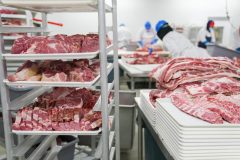
- Köttbearbetningsanläggningar
- Dryckesproduktion
- Korvtillverkning
- Övriga livsmedelsmiljöer med höga hygienkrav
Regelverk och branschutveckling
Myndigheter som FDA och CFIA betonar allt mer vikten av luftkvalitet i livsmedelsproduktion. Även om specifika teknologier inte krävs, uppmuntras användning av innovativa lösningar för att minska kontaminering.
Framtiden för livsmedelssäkerhet
Med ökande oro kring antibiotikaresistenta bakterier blir förebyggande strategier allt viktigare.
Branschen rör sig mot en mer helhetsbaserad strategi där luft- och ytrening kombineras med traditionell hygien. Hydroxylbaserade system förväntas bli en central del av framtidens livsmedelsproduktion.