








Förbättrad inomhusluftkvalitet i skolor
Flera studier har kopplat dålig inomhusluftkvalitet i skolor till ökade hälsoproblem och frånvaro bland både elever och personal. Även om de flesta skolor redan har ventilationssystem på plats, gjorde pandemin det tydligt att ventilation ensam inte räcker för att upprätthålla hälsosamma lärmiljöer.
Uppgraderade filtreringssystem kan öka kostnader och energiförbrukning, och många luftburna aerosoler är för små för att effektivt fångas upp av standardfilter. För att stödja säker och kontinuerlig undervisning på plats behöver skolor lösningar för luftrening i klassrum som ger ett kontinuerligt skydd för elever, lärare och personal.
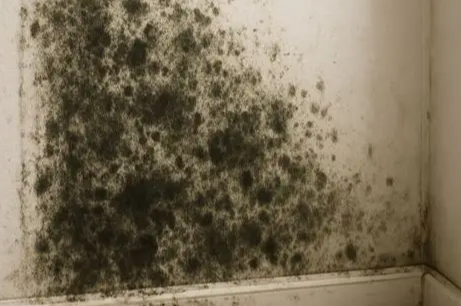
En effektiv lösning för inomhusluftkvalitet måste göra mer än att minska spridningen av COVID-19 – den bör även skydda mot virus, bakterier, mögel och lukter.
För att hjälpa skolledare att utvärdera inomhusluftkvalitet och jämföra lösningar har vi tagit fram följande betygsskala för luftreningslösningar.
Betygsskala för luftreningslösningar
Betyg A
En lösning i toppklass bör:
- Minska patogener i luften inuti enheten
- Minska patogener i luften utanför enheten
- Avlägsna flyktiga organiska föreningar (VOC) och lukter
- Vara säker i bemannade miljöer, inklusive människor, växter och klassrumshusdjur
- Hålla låga driftskostnader vid kontinuerlig drift dygnet runt
- Göra det möjligt för byggnader att uppfylla ASHRAE-standarder samtidigt som uppvärmnings- och kylkostnader minimeras
- Kontrollera energikostnader samtidigt som svårfångade patogener elimineras utan beroende av restriktiva filter
Betyg B
En stark lösning bör:
- Minska patogener i luften inuti enheten
- Vara delvis effektiv för att minska patogener utanför enheten
- Avlägsna VOC och lukter
- Vara säker i bemannade miljöer
Betyg C
En grundläggande lösning bör:
- Minska patogener i luften inuti enheten
- Avlägsna VOC och lukter
- Vara säker i bemannade miljöer
Betyg D
En begränsad lösning:
- Minskar endast patogener inuti enheten
- Är kanske inte säker i bemannade miljöer
Betyg F
En otillräcklig lösning:
- Späder endast ut föroreningar och motverkar tillväxt av mögel och bakterier
- Är kanske inte säker i bemannade miljöer
Varför Pyure får ett A
Du kanske tänker: “Självklart ger Pyure sig själv ett A – det är deras blogg.” Rimlig invändning. Men i det här fallet stöds påståendet av vetenskapen.
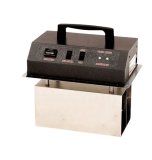
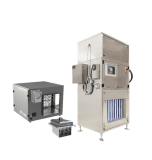
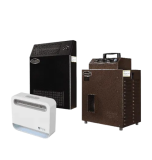
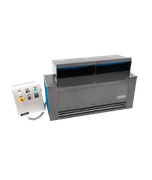
Pyure Dynamic Protection® levererar högsta nivå av inomhusluft- och ytsanering genom att:
- Neutralisera COVID-19 och andra virus
- Förstöra mögel och bakterier
- Eliminera lukter
- Ge kontinuerligt skydd dygnet runt
- Behandla enskilda rum eller hela anläggningar
För skolor som vill förbättra inomhusluftkvaliteten ligger Pyures teknik i toppklassen.
Betyg B – lösningar för luftkvalitet
Flera lösningar för skolors luftkvalitet fungerar bra inom vissa områden men har begränsningar.
Fotokatalytisk oxidation (PCO)
PCO-enheter använder UV-ljus för att omvandla föroreningar till koldioxid och vatten.
Fördelar:
- Effektiv mot patogener som passerar genom enheten
Begränsningar:
- Begränsad påverkan på omgivande luft
- Begränsad ytdesinfektion
Elektrostatisk sprutning
Elektrostatiska sprutor applicerar en positiv laddning på desinfektionsmedel så att de fäster jämnt på ytor.
Fördelar:
- Effektiv ytdesinfektion
Begränsningar:
- Får endast användas i tomma lokaler
- Kräver dagligt arbete och upprepad applicering
Jonisatorer
Jonisatorer släpper ut negativa joner som binder till luftburna partiklar.
Fördelar:
- Kan minska allergener och bakterier
Begränsningar:
- Begränsad effekt utanför omedelbart område
- Begränsad klassrumsövergripande effekt
Otillräckliga lösningar
HEPA-filter
Fördelar:
- Effektiva på att fånga allergener och bakterier
Begränsningar:
- Dödar inte virus
- Eliminerar inte lukter
- Kräver filterbyte
- Fungerar bara när luft passerar genom filtret
UVGI-system
Fördelar:
- Effektiva mot patogener som exponeras för UV-C
Begränsningar:
- UV-C är skadligt för människor
- Kan inte användas i bemannade klassrum
Naturlig ventilation
Begränsningar:
- Otillräcklig för att kontrollera virus och bakterier
- Kan föra in utomhusföroreningar
Mekanisk ventilation
Begränsningar:
- Begränsad direkt luftrening
- Ökar energikostnader
Vätperoxid-rengöring
Begränsningar:
- Ingen effekt på luftburna patogener
- Kräver arbete och hantering
- Kan vara farligt i höga koncentrationer
Avfuktare
Fördelar:
- Hämmar mögel- och bakterietillväxt
Begränsningar:
- Dödar inte virus
- Kan torka ut luften för mycket
- Ökar energiförbrukning
Framtiden för skolors inomhusluftkvalitet
Säkra klassrum kräver mer än bara ventilation och filtrering. Skolor behöver heltäckande luftreningssystem som kontinuerligt neutraliserar patogener i både luft och på ytor – samtidigt som de är säkra att använda i bemannade miljöer.
Genom att kombinera beprövad vetenskap, energieffektivitet och kontinuerligt skydd erbjuder Pyure en smartare lösning för hälsosammare skolor och säkrare lärmiljöer.